Photo9 Marketing Team
15 min read · Sat Jul 12 2025
The Complete Guide to Creating Your Own Travel Photo Book
A comprehensive guide to turning your travel memories into a beautiful, lasting keepsake
Planning Your Photo Book Journey
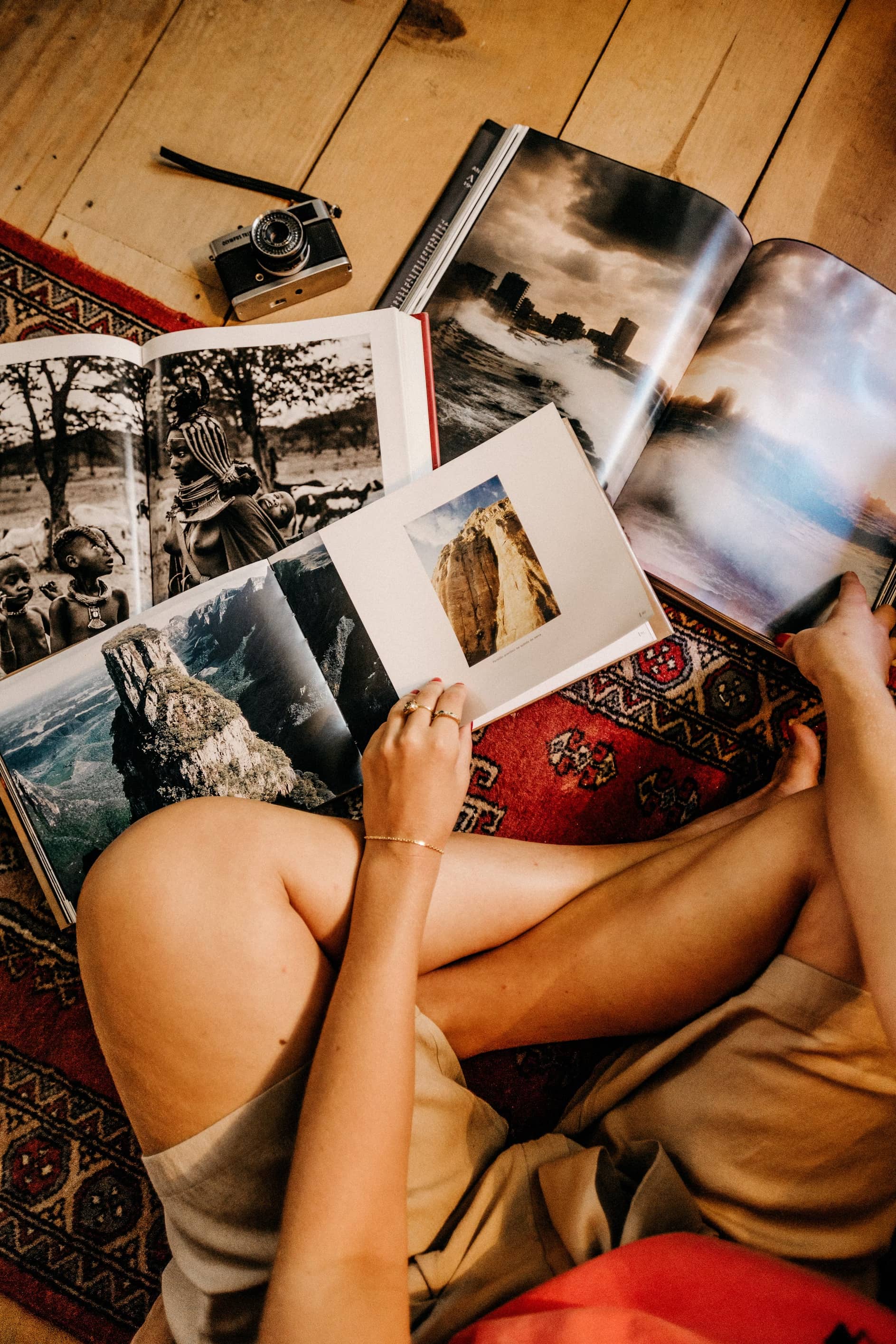
Creating a travel photo book is much more than simply printing your favorite vacation photos. It's about crafting a narrative that captures the essence of your adventure and preserves those precious memories in a tangible form that you can treasure for years to come.
Defining Your Purpose
Before diving into design decisions, take a moment to consider why you're creating this photo book. Are you making it as a personal keepsake to relive your memories? Perhaps it's a gift for family members who joined you on the trip, or maybe you want to create something beautiful enough to display on your coffee table for guests to enjoy. Understanding your purpose will guide every decision you make throughout the process, from the types of photos you include to the overall style and format of your book.
Choosing the Right Format and Size
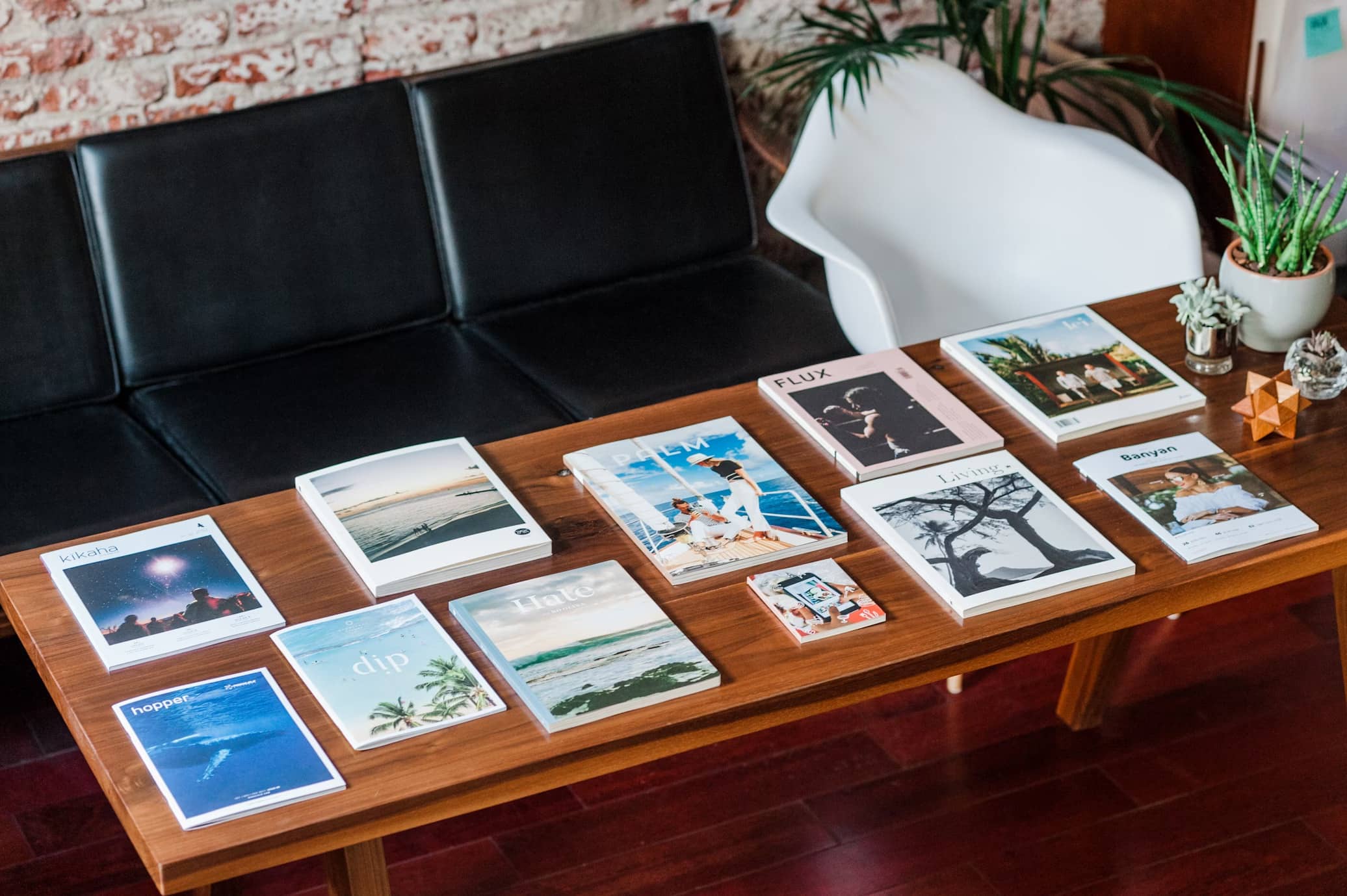
The physical characteristics of your photo book matter more than you might initially think. Consider whether you envision a luxurious hardcover coffee table book that showcases breathtaking landscapes in all their glory, or if you prefer a more intimate softcover album that feels personal and accessible. For truly spectacular panoramic shots and sweeping vistas, consider a layflat format that allows images to span across two pages without interruption from the binding.
The size of your book should reflect both your content and your intended use. Larger formats work beautifully for landscape photography and create an impressive display piece, while smaller sizes are perfect for more intimate collections and are easier to share with others.
Curating and Organizing Your Visual Story
The Art of Photo Selection
One of the most challenging aspects of creating a travel photo book is narrowing down your photos from the hundreds or thousands you likely captured during your trip. This process requires both emotional detachment and a keen eye for storytelling. Rather than trying to include every single memorable moment, focus on selecting images that best represent the essence of your journey.
Start by creating a digital folder with all your travel photos and begin the editing process by choosing photos that evoke strong memories or emotions. Don't just focus on technically perfect shots – sometimes a slightly blurry photo of everyone laughing together tells a more compelling story than a pristine landscape shot. Aim for approximately 2-3 photos per page to avoid overcrowding and give each image room to breathe and make an impact.
Creating a Cohesive Narrative Structure
The way you organize your photos can dramatically impact how your story unfolds. The most intuitive approach is chronological organization, which allows readers to experience your journey as it happened and makes it easy for you to recall the sequence of events years later. This method works particularly well for trips with clear progressions from one location to another.
However, don't feel constrained by chronology if another approach better serves your story. Consider organizing your book into thematic chapters such as "Local Cuisine," "Architecture and Landmarks," "People We Met," or "Adventures and Activities." This approach can create a more dynamic narrative flow and allows you to group similar types of experiences together, making it easier for viewers to appreciate different aspects of your journey.
For destinations you've visited multiple times, seasonal organization can create a fascinating perspective, showing how the same places transform throughout the year. Some travelers even organize their books by color themes or emotional tones, creating artistic progressions that feel more like curated art books than traditional vacation albums.
Balancing Different Types of Images
A compelling travel photo book includes a diverse mix of image types that work together to tell your complete story. Wide landscape shots establish the setting and grandeur of your destinations, while intimate detail shots capture the textures, colors, and small discoveries that made your trip unique. Don't forget to include plenty of photos featuring you and your travel companions – these personal elements transform your book from a destination guide into a personal memoir.
Consider including shots of everyday moments alongside the major attractions. Photos of morning coffee at a local café, your group navigating public transportation, or quiet moments in your accommodation help paint a fuller picture of your travel experience and often become the most cherished images years later.
Design Principles That Bring Your Story to Life
Creating Visual Flow and Balance
Great photo book design is about more than just placing photos on pages – it's about creating a visual rhythm that guides readers through your story. Think about how images work together across spreads, considering factors like color harmony, compositional balance, and emotional pacing. A dramatic sunset might work beautifully opposite a quieter street scene, creating contrast that keeps pages interesting without feeling jarring.
Pay attention to the visual weight of your images. A single powerful photograph can command an entire page or spread, while a collection of smaller, related images might work better as a collage or grid layout. Don't be afraid of white space – it gives your photos room to breathe and can create a sense of elegance and sophistication in your design.
Working with Color and Mood
Color plays a crucial role in the overall feeling of your photo book. Pages with similar color palettes naturally feel cohesive, so consider grouping photos with complementary tones. Ocean blues and sandy beiges might flow beautifully together, while vibrant market scenes with their riot of colors might deserve their own section to fully capture their energy.
Consider how color transitions work throughout your book. Moving from the warm oranges and reds of a desert landscape into the cool blues and greens of a coastal region can create a natural progression that mirrors your actual journey and keeps readers engaged.
Utilizing Different Layout Options
Modern photo book platforms offer numerous layout possibilities, from simple single-image pages to complex multi-photo arrangements. Experiment with different options to find what works best for each part of your story. Full-bleed images that extend to the edges of the page create maximum impact for stunning landscapes or architectural shots, while bordered layouts can feel more classic and allow for captions or additional text elements.
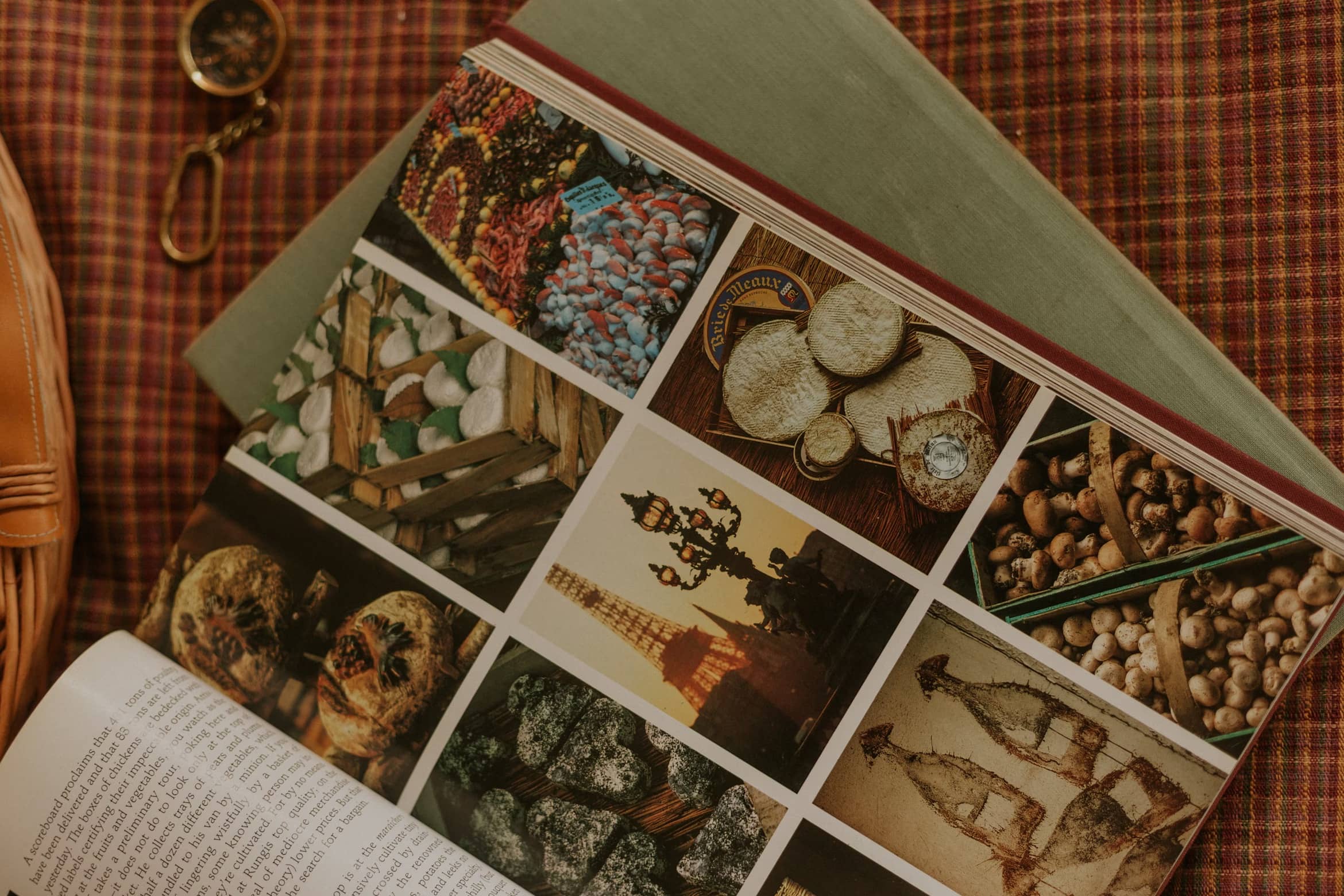
Consider using panoramic spreads for those breathtaking vista shots that truly deserve the extra space. Collage-style layouts work wonderfully for showing multiple aspects of a single experience, like a food market visit where you want to showcase the vendors, the produce, the bustling atmosphere, and your group's reactions all together.
Adding Context and Personality Through Text
Crafting Meaningful Captions
While photos are the stars of your travel book, thoughtful text can elevate your images from beautiful pictures to meaningful memories. Captions don't need to be lengthy essays, but they should add value that isn't immediately apparent from the photo alone. Instead of simply stating "Sunset in Santorini," consider sharing what made that moment special: "After hiking the coastal trail for three hours, we finally reached this viewpoint just as the sun began to set – and suddenly all the tired feet were worth it."
Use captions to preserve details that might fade from memory over time. Restaurant names, the story behind meeting interesting locals, funny mishaps that occurred just before or after the photo was taken – these details add personality and context that make your book uniquely yours.
Incorporating Stories and Anecdotes
Beyond simple captions, consider adding longer narrative sections that capture the stories behind your adventures. These might be brief introductions to each section of your book, or longer passages that describe particularly memorable experiences. Share the unexpected discoveries, the moments of wonder, the challenges overcome, and the connections made with people and places.
Don't worry about writing perfectly polished prose – authenticity is more valuable than literary perfection. Write in your own voice, capturing the excitement, frustration, wonder, and joy you experienced during your travels. These personal touches will make your photo book infinitely more meaningful to you and interesting to others.
Preserving Practical Details
While you don't want your photo book to read like a travel guide, including some practical information can be incredibly valuable for future reference. Consider adding your itinerary, especially if you're the type of traveler who might want to recreate certain aspects of the trip or recommend specific experiences to friends. Restaurant names, hotel recommendations, or local tips you discovered can turn your photo book into a personalized travel resource.
Some travelers include tickets, maps, or other memorabilia by photographing them and incorporating these images into their books. This technique works particularly well for documenting transportation methods, special events, or unique experiences that might not otherwise be captured in regular photos.
Professional Touches and Final Production
Ensuring High-Quality Results
The technical quality of your final product matters significantly for a keepsake you'll treasure for years. Always use the highest resolution versions of your photos available, downloading original files from your camera rather than compressed versions from social media platforms. If you're working with photos from your phone, make sure to back up and use the full-resolution versions rather than optimized copies.
When selecting a printing service, research their reputation for quality and read reviews from other customers. Look for services that offer good customer support and satisfaction guarantees, as printing issues can occasionally occur and you want to ensure any problems will be resolved to your satisfaction.
Choosing Paper and Binding Options
The physical materials of your photo book significantly impact both its appearance and longevity. Matte papers tend to reduce glare and provide a more subdued, artistic feel, while glossy papers make colors pop and create a more vibrant, contemporary look. Many services offer premium paper options that provide better color reproduction and durability.
For binding, hardcover books offer better protection and a more premium feel, making them ideal for books you plan to display or share frequently. Softcover options can be more budget-friendly and work well for personal copies or gifts. Consider your intended use and budget when making these decisions.
Final Review and Quality Control
Before finalizing your order, take time for a thorough review of your entire book. Check that photos are properly positioned and not cut off unexpectedly, verify that all text is spelled correctly and appears as intended, and ensure that the overall flow and pacing feel right. Many services offer preview options or proof copies that allow you to see exactly how your book will look before committing to the final printing.
Consider asking a friend or family member to review your book as well – fresh eyes often catch errors or suggest improvements that you might miss after working closely with the project for an extended period.
Conclusion: Preserving Your Adventures for a Lifetime
Creating a travel photo book is ultimately about more than organizing photos – it's about preserving the emotions, discoveries, and connections that make travel so meaningful. The process itself becomes a way to relive your adventures, and the finished product serves as a tangible reminder of experiences that might otherwise fade in memory.
Take your time with the process and enjoy the creative journey. Don't strive for perfection, but rather focus on authenticity and personal meaning. The best travel photo books are those that capture not just what you saw, but how your journey felt and why it mattered to you.
Whether displayed on a coffee table, shared with family and friends, or simply treasured as a personal keepsake, your travel photo book will serve as a beautiful reminder that the adventures we take don't truly end when we return home – they live on in the stories we tell and the memories we choose to preserve.